
Agroforestry Design for Drought, Wind and Biodiversity
2024–2026 (design + implementation support)
We designed a tree integration layout that fits crop rotations and machinery routes rather than disrupting them — building long-term climate resilience without losing operational control.
THE CHALLENGE
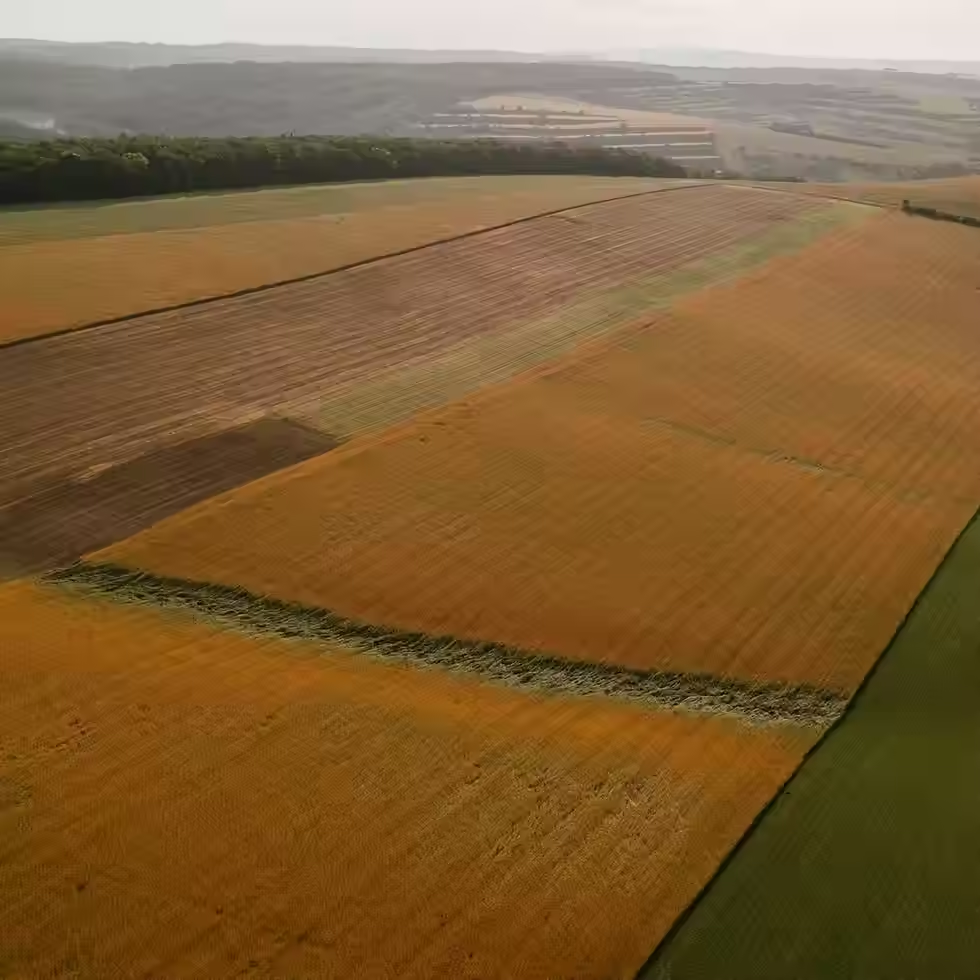
Hotter summers, longer dry periods, and wind erosion are making arable production less predictable. The farm needed a practical way to protect soils and crops, improve water retention, and add biodiversity—without losing control over field operations.
WHAT WE DID
We assessed field layout, prevailing winds, slope and runoff risk, and the farm’s machinery routes to identify where trees can bring the biggest benefit with the least operational friction. Together with the farm team, we designed an agroforestry layout (e.g., shelterbelts or alley-style tree rows) that fits crop rotations, headlands, and access for cultivation and harvest. We recommended suitable tree/shrub types and spacing principles to balance microclimate benefits with light and competition risks, and we planned establishment steps (site preparation, protection, maintenance, and realistic workload). The output was an implementable map-based design and a phased rollout plan that the farm can scale over time.
OUTCOMES & IMPACT
The farm gained a clear, field-ready pathway to integrate trees into production—reducing wind and heat stress, improving landscape function, and strengthening long-term resilience. Agroforestry also creates visible, communicable environmental value on-farm, supporting the case for fair remuneration of ecosystem services delivered through farming.


Comments